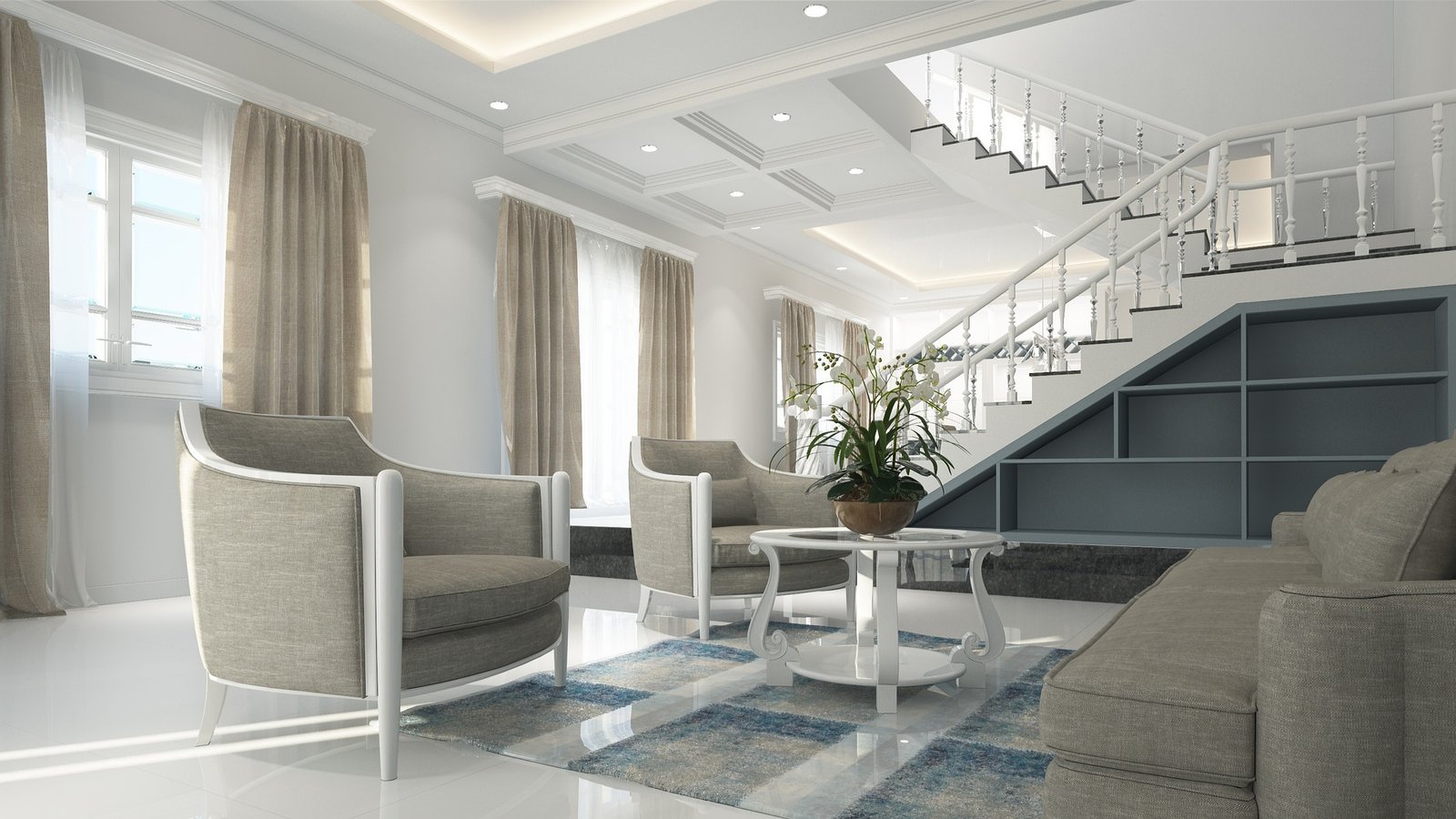
Modern interior design is strongly influenced by clean lines, practical materials, minimal ornamentation, and carefully selected statement pieces. Aluminum fits naturally into this design philosophy because it combines a contemporary appearance with practical characteristics.
Its use has expanded beyond traditional construction applications, and designers now incorporate aluminum into decorative walls, furniture, lighting, partitions, ceilings, architectural features, and accessories.
The Rise of Metallic Elements in Interior Design
Metallic finishes have become an important part of contemporary décor. Designers use metals to introduce contrast, texture, and visual interest.
Aluminum is particularly attractive because it can look refined without necessarily appearing overly formal. Depending on the finish and design, it can work in minimalist, industrial, futuristic, Scandinavian-inspired, and contemporary interiors.
This flexibility makes aluminum suitable for many different design concepts.
Minimalist Aluminum Décor
Minimalism focuses on simplicity and functionality. Aluminum naturally complements this approach.
A simple aluminum frame, thin shelving system, streamlined lighting fixture, or clean-lined room divider can add character without creating visual clutter.
Instead of using elaborate decorative objects, minimalist interiors can use the material itself as a design feature.
Industrial-Style Interiors
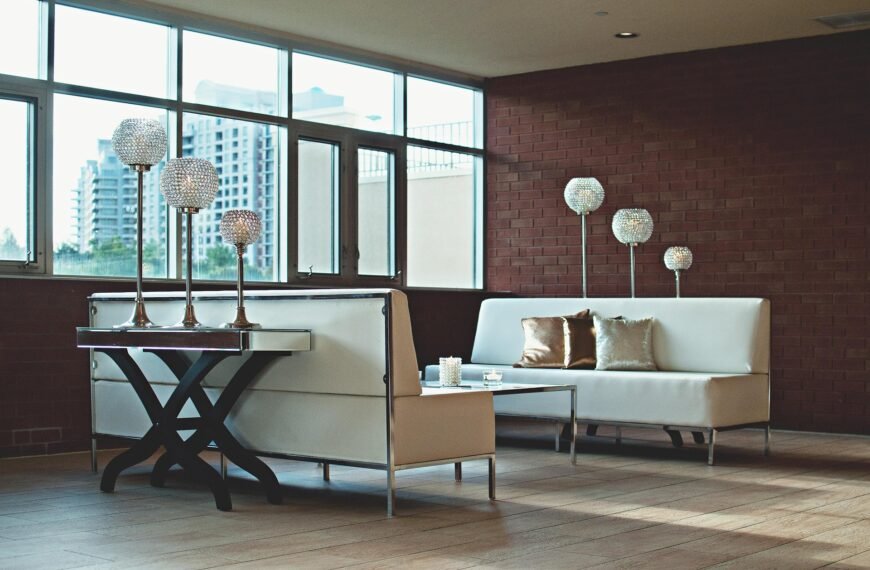
Aluminum is also highly suitable for industrial interiors. Industrial design commonly incorporates metal, exposed structures, concrete, brick, and neutral colors.
Aluminum details can reinforce this aesthetic through furniture frames, lighting fixtures, shelving, wall panels, and architectural features.
The material can be combined with darker tones and unfinished textures for a more rugged appearance or paired with lighter surfaces for a cleaner modern interpretation.
Aluminum in Commercial Interiors
The use of aluminum décor extends beyond residential properties. Offices, hotels, retail stores, restaurants, salons, and other commercial spaces can use aluminum to establish a recognizable visual identity.
Decorative partitions can help organize large offices. Custom wall panels can reinforce branding. Aluminum lighting fixtures can create focal points in restaurants and hospitality spaces.
Because commercial interiors often experience heavy use, materials that combine appearance with practical durability can be particularly valuable.
Geometric Patterns and Laser-Cut Designs
One of the most interesting trends in aluminum décor is the use of geometric patterns.
Computer-controlled cutting technologies allow manufacturers to create detailed patterns with high precision. Designers can develop repeating shapes, organic patterns, abstract compositions, and customized artwork.
These designs can be used on:
- Wall panels
- Privacy screens
- Room dividers
- Cabinet doors
- Ceiling panels
- Staircase features
- Exterior screens
The resulting patterns can create dramatic shadows when exposed to natural or artificial light.
Texture as a Design Element
Modern interiors are not only about color. Texture also plays an important role.
Aluminum can be textured, brushed, embossed, perforated, or otherwise treated to create visual and tactile variation.
A textured aluminum panel can be particularly effective against a plain wall because it introduces depth without requiring bright colors or complicated decorations.
The Importance of Color
Although aluminum naturally has a metallic appearance, it does not have to remain silver.
Modern finishing technologies allow aluminum décor to be produced in numerous colors. Designers can therefore match aluminum components to existing furniture, flooring, walls, or brand colors.
Neutral finishes are useful for understated interiors, while darker or more vibrant finishes can create stronger focal points.
Aluminum and Sustainable Design
Sustainability is becoming increasingly important in interior design decisions. Aluminum is attractive in this context because it can be recycled, allowing it to participate in circular material systems.
However, the environmental impact of any aluminum product depends on factors such as how it was produced, transported, finished, used, and eventually recycled.
For environmentally conscious projects, it is useful to consider the complete lifecycle of the product rather than focusing on one material characteristic alone.
Designing With Balance
While aluminum can create an impressive modern appearance, successful interior design depends on balance.
Too many metallic surfaces can make an interior feel cold or visually repetitive. Designers can soften aluminum with materials such as wood, fabric, plants, stone, and warm lighting.
For example, an aluminum room divider can be paired with wooden furniture and soft textiles. This creates contrast between the cool metallic surface and warmer natural materials.
Why Aluminum Will Remain Relevant
The combination of design flexibility, modern aesthetics, and practical performance gives aluminum significant potential in contemporary interiors.
As designers continue experimenting with custom patterns, textures, finishes, and architectural applications, aluminum is likely to remain an important material for creating distinctive modern environments.