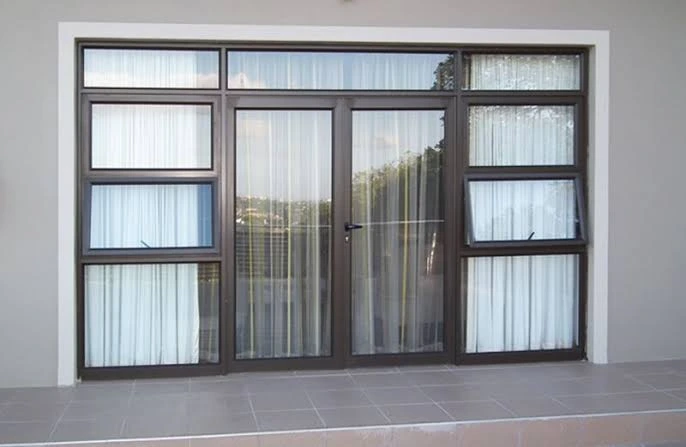
Aluminum has become an increasingly popular material in modern interior design. Once associated mainly with construction, transportation, and industrial applications, aluminum is now being used to create attractive decorative elements for homes, offices, hotels, restaurants, and commercial spaces. Its combination of durability, lightweight construction, versatility, and contemporary appearance makes it an excellent choice for people looking to add a modern touch to their surroundings.
From decorative wall panels and room dividers to lighting fixtures, furniture, frames, and artistic installations, aluminum can be incorporated into interiors in countless ways. It can provide a sleek appearance while also offering practical benefits that many traditional decorative materials cannot match.
Why Aluminum Works So Well in Décor
One of the biggest advantages of aluminum is its versatility. The material can be shaped, cut, bent, perforated, embossed, and finished in different ways. This gives designers considerable freedom when developing decorative products.
Aluminum can also be finished to create completely different visual effects. A polished surface can provide a clean and reflective appearance, while a brushed finish can offer a softer, sophisticated look. Powder coating allows aluminum products to be produced in a wide range of colors, making them easier to coordinate with existing interiors.
Another advantage is its relatively low weight. Compared with many other metals, aluminum is easier to handle and install. This makes it particularly useful for decorative structures that need to be large without becoming excessively heavy.
Aluminum Wall Décor
Decorative aluminum wall panels can transform an otherwise plain wall into a major feature of an interior. These panels can include geometric patterns, abstract designs, floral motifs, textured surfaces, or custom artwork.
Laser-cut aluminum panels are especially useful when designers want intricate patterns. They can be used as wall decorations, partitions, or screens while allowing light to pass through selected areas.
A patterned aluminum panel can also create depth. Instead of simply decorating a wall with a flat picture or painting, a metal panel can introduce texture, shadows, and three-dimensional interest.
Aluminum Room Dividers
Open-plan interiors have become common in modern homes and workplaces. While open layouts create a sense of space, they can sometimes lack visual separation between different areas.
Aluminum room dividers provide an attractive solution. Decorative screens can separate a dining area from a living room, create privacy around a workspace, or divide sections of a commercial interior without making the space feel completely enclosed.
Perforated and laser-cut designs are particularly effective because they provide separation while maintaining visual connectivity.
Aluminum Furniture and Accessories
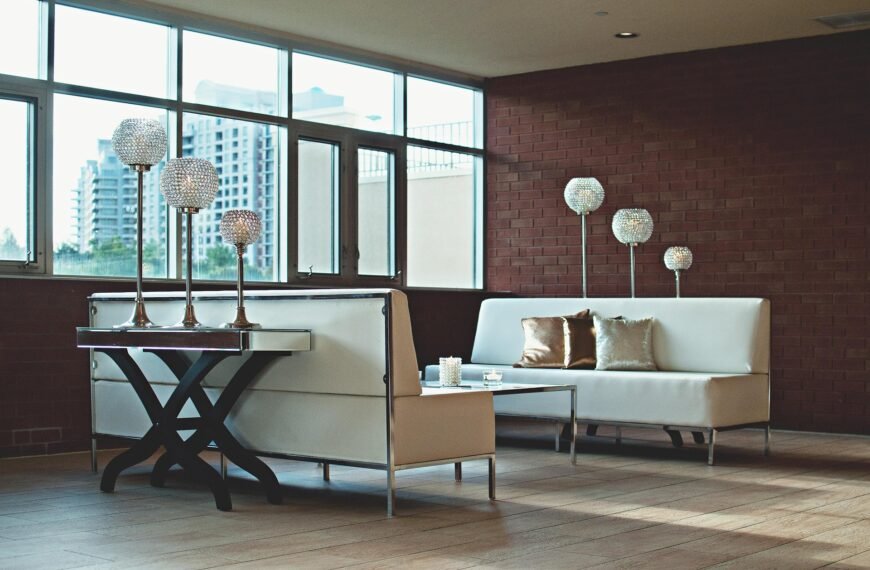
Aluminum can also be incorporated into furniture. Tables, chairs, shelving systems, consoles, cabinets, and decorative frames can all feature aluminum components.
Furniture with aluminum details often works well in contemporary interiors because the material naturally complements minimalist design. Its clean lines can make furniture appear refined without excessive ornamentation.
Small aluminum accessories can also add subtle visual interest. Decorative trays, planters, frames, candle holders, sculptures, and display objects can introduce metallic accents without overwhelming the room.
Aluminum Lighting Fixtures
Lighting is another area where aluminum has become valuable in interior décor. Its ability to be formed into precise shapes makes it suitable for pendant lights, wall lights, ceiling fixtures, and modern lamps.
An aluminum light fixture can serve two purposes: providing illumination and acting as a decorative focal point. Perforated or patterned aluminum shades can produce interesting light and shadow effects, adding atmosphere to a room.
Maintaining Aluminum Décor
Aluminum décor is generally easy to maintain. Regular dusting and occasional cleaning with a mild solution are usually enough to keep decorative surfaces looking attractive.
However, the appropriate cleaning method depends on the finish. Abrasive cleaners can damage painted, coated, or polished surfaces. Following the manufacturer’s maintenance recommendations can help preserve the appearance of aluminum products for years.
The Future of Aluminum in Interior Design
As interior design continues moving toward materials that combine aesthetics and practicality, aluminum is likely to remain an important decorative material. Designers can customize it in numerous ways, while homeowners can use it to introduce contemporary metallic details without relying exclusively on heavier materials.
Whether used as a dramatic wall feature or a subtle furniture accent, aluminum can bring durability, creativity, and modern character to an interior.