Good interior décor is about more than making a room look attractive. The best decorative choices combine beauty with functionality and create an environment that reflects the personality of the people using the space.
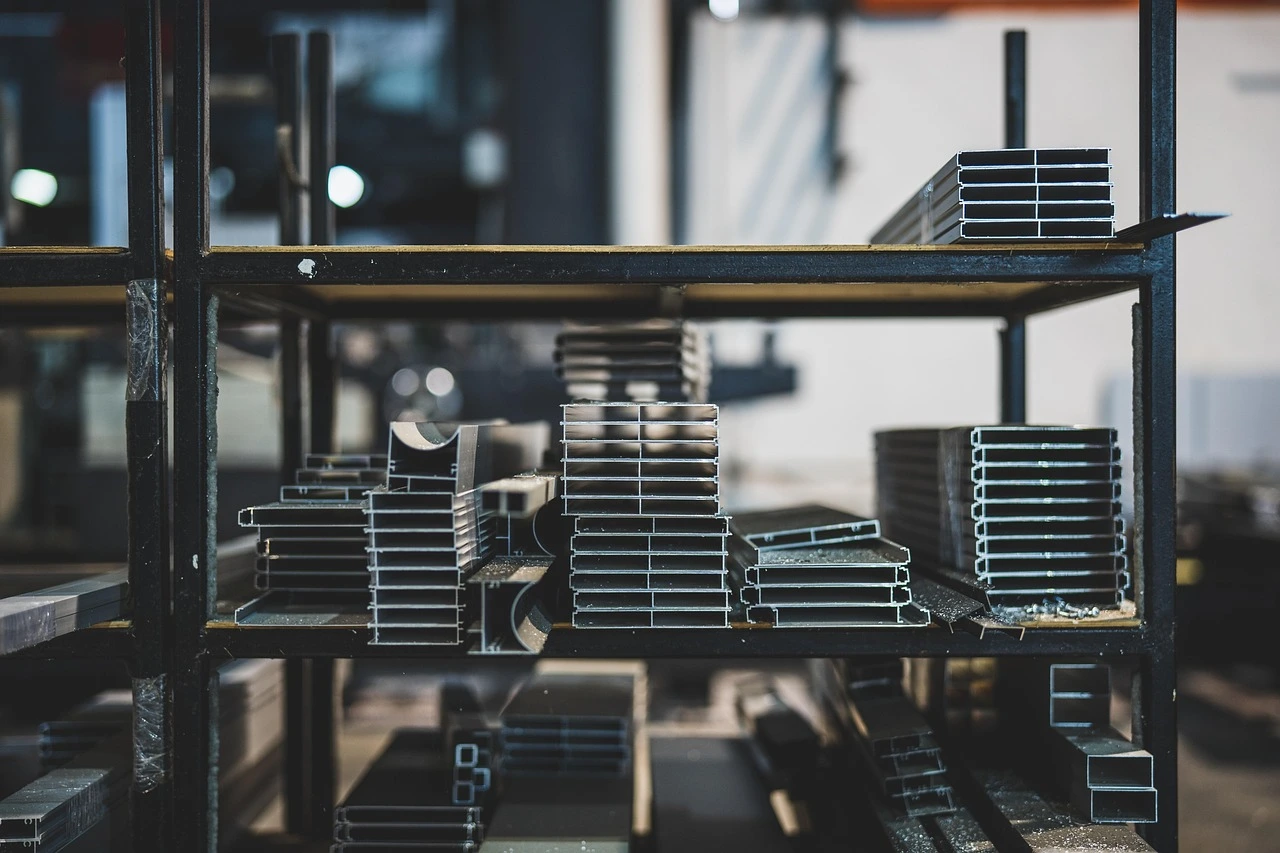
Aluminum can contribute to all three. It can introduce elegance through its clean metallic appearance, provide practical durability, and be customized into designs that make an interior feel personal.
Elegance Through Simplicity
Aluminum does not need complicated decoration to make an impression. Its simple metallic appearance can provide a sophisticated accent against neutral walls and furnishings.
A carefully selected aluminum mirror frame, pendant light, decorative panel, or furniture detail can be enough to elevate a room.
The secret is often restraint. A small amount of well-designed aluminum can have more impact than covering an entire interior with metallic surfaces.
Durable Decorative Features
Decorative products are exposed to everyday use. Wall panels can collect dust, furniture can experience repeated contact, and partitions can be moved or touched regularly.
Aluminum is valued in many applications because it offers a useful combination of strength and relatively low weight.
For décor projects, this can make it an appealing alternative to materials that are heavier or more difficult to handle.
Personalized Wall Art
One of the most exciting possibilities is custom aluminum artwork.
Instead of purchasing generic artwork, homeowners can commission a panel based on a particular theme or pattern. The design could represent nature, architecture, abstract geometry, cultural motifs, or personal interests.
Custom metal artwork can become the centerpiece of a living room, office reception area, bedroom, or hallway.
Decorative Staircase Features
Staircases are often prominent architectural features, making them excellent locations for decorative aluminum.
Laser-cut aluminum panels can be used as railing infills or privacy screens. Geometric patterns can give a staircase a contemporary appearance, while simpler designs can maintain a minimalist aesthetic.
When combined with suitable lighting, perforated panels can also create attractive shadows.
Aluminum Shelving
Shelving does not have to be purely functional. It can also contribute to the overall visual character of a room.
Aluminum shelves can be designed with thin profiles and clean lines, making them particularly suitable for modern interiors.
They can display books, plants, photographs, artwork, and decorative objects while contributing their own metallic aesthetic.
Aluminum in Bedrooms
Bedrooms typically benefit from softer and more relaxing materials, but aluminum can still be incorporated without making the space feel cold.
Small details are often the best approach. Aluminum can appear in bedside tables, lighting fixtures, mirrors, furniture handles, decorative wall features, or shelving.
Combining these elements with wood, fabric, warm lighting, and neutral colors can create a balanced atmosphere.
Aluminum in Bathrooms
Bathrooms can also benefit from aluminum accents. Frames, shelving, decorative screens, hardware, and other elements can introduce a modern metallic character.
When selecting aluminum décor for moisture-prone areas, the specific finish and product suitability should be considered carefully. Properly selected and maintained products can contribute to a clean, contemporary bathroom design.
Creating a Luxury Look
Luxury does not always mean expensive materials or excessive ornamentation. It can also come from consistency, proportion, craftsmanship, and thoughtful material selection.
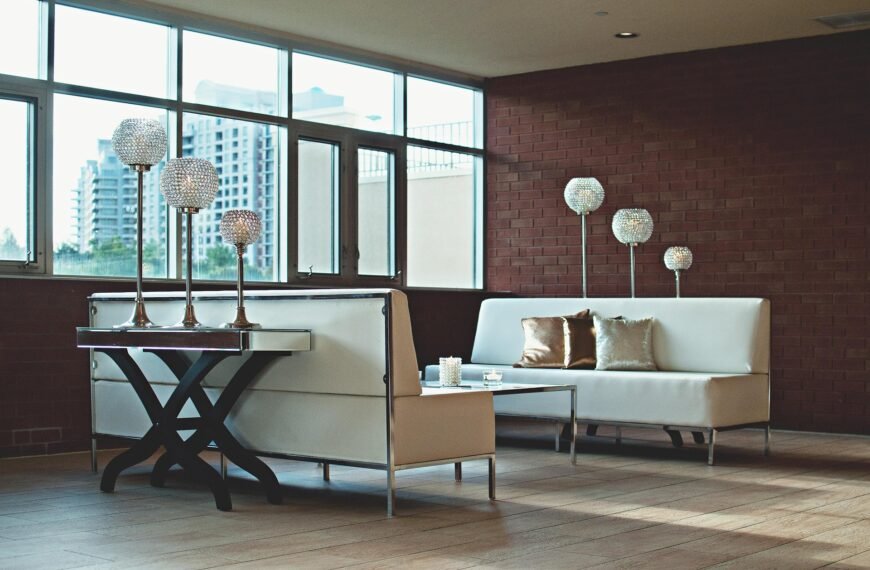
Aluminum can contribute to a luxury aesthetic when paired with materials such as glass, stone, premium wood, and carefully designed lighting.
For example, a large decorative aluminum screen behind a reception desk or dining area can become an architectural statement rather than simply another decorative object.
Lighting Makes Aluminum More Interesting
Lighting can dramatically change how aluminum décor appears.
Direct lighting can emphasize textures and patterns, while indirect lighting can create softer highlights. Backlighting a perforated aluminum panel can produce particularly striking effects.
This is one reason aluminum décor works well in hospitality and commercial interiors, where designers often use lighting to create memorable visual experiences.
Practical Maintenance
The maintenance requirements of aluminum décor are generally manageable. Dust can usually be removed with a soft cloth, while mild cleaning solutions can help remove surface dirt.
The finish should always be considered before selecting a cleaning method. Harsh chemicals, abrasive materials, or aggressive scrubbing can affect the surface.
Simple regular maintenance is often preferable to occasional intensive cleaning.
A Flexible Material for Personal Expression
Perhaps the greatest strength of aluminum décor is its adaptability. It can be subtle or dramatic, traditional-looking or futuristic, functional or purely artistic.
Whether used for a single decorative accent or incorporated throughout an entire interior, aluminum gives designers and homeowners considerable creative freedom.
Final Thoughts
Aluminum décor offers a practical way to introduce contemporary character into almost any space. Its clean appearance, design flexibility, lightweight nature, and variety of available finishes make it suitable for everything from small decorative accessories to large architectural installations.
When combined thoughtfully with wood, glass, stone, textiles, and lighting, aluminum can create interiors that are not only visually appealing but also distinctive and functional. For anyone looking to move beyond conventional décor materials, aluminum provides a versatile foundation for creating modern spaces with personality and lasting appeal.