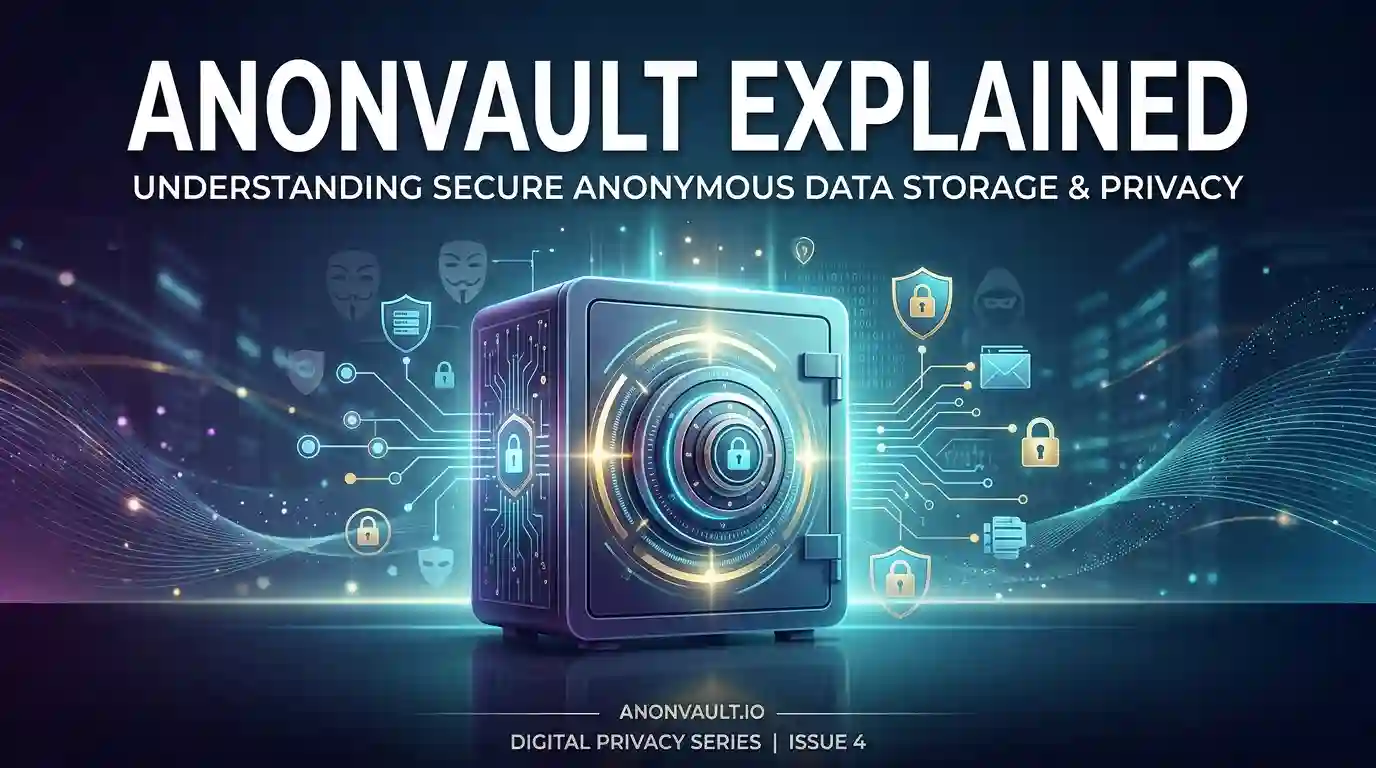
This growing demand for privacy-focused solutions has brought attention to Anonvault, a platform that aims to provide secure and anonymous digital storage. Users interested in protecting their data often look for alternatives to traditional cloud providers that collect user information or require extensive personal details during registration. This guide explores the platform’s core features, security architecture, privacy protections, benefits, limitations, and practical use cases.
Digital privacy has become one of the biggest concerns of the modern internet era. Every day, people store sensitive documents, personal photos, financial records, and business information online. While cloud storage services make file access easier, they also raise concerns about surveillance, data breaches, and unauthorized access.
What Is AnonVault?
AnonVault is generally described as a privacy-focused digital storage solution designed to help users store, manage, and share files while minimizing personal data exposure.
Unlike many conventional cloud storage providers, privacy-centered platforms typically focus on:
- Data encryption
- Limited user tracking
- Anonymous account creation
- Secure file transfers
- Enhanced privacy controls
The concept behind these services is simple: users should maintain control over their data rather than surrendering extensive personal information to access storage services.
As cyber threats continue to evolve, privacy-first storage systems have gained popularity among users who prioritize confidentiality and data ownership.
Why Digital Privacy Matters More Than Ever
The demand for secure storage solutions is supported by alarming cybersecurity statistics.
According to IBM’s Cost of a Data Breach Report, the global average cost of a data breach exceeded $4 million in recent years, highlighting the significant financial impact of compromised information.
Meanwhile, reports from cybersecurity organizations consistently show that millions of records are exposed annually through breaches affecting businesses, government agencies, and online platforms.
Common privacy concerns include:
| Privacy Risk | Potential Impact |
| Data breaches | Exposure of personal information |
| Unauthorized access | Theft of sensitive files |
| Identity theft | Financial and reputational damage |
| Tracking and profiling | Reduced online privacy |
| Cloud account compromise | Loss of confidential data |
These concerns explain why privacy-focused services continue to attract attention.
Key Features of this
Understanding the platform’s core functionality helps determine whether it aligns with your privacy needs.
Secure File Storage
One of the primary functions of this is providing protected digital storage for various file types.
Users can typically store:
- Documents
- Images
- Videos
- Archives
- Business records
- Sensitive personal files
The goal is to ensure files remain protected both during transmission and while stored on servers.
Encryption Technology
Encryption is the foundation of modern cybersecurity.
Most privacy-focused storage solutions implement encryption that transforms readable information into encoded data.
Benefits include:
- Protection from unauthorized access
- Reduced risk of data interception
- Enhanced file confidentiality
- Improved compliance with security best practices
When encryption is implemented correctly, even unauthorized parties who access stored data cannot easily read the contents.
Privacy-Oriented Design
A major selling point of privacy-centered platforms is reduced data collection.
Traditional services may collect:
- Personal information
- Device identifiers
- Usage behavior
- Location data
Privacy-focused platforms often attempt to minimize such collection wherever possible.
Secure File Sharing
Modern users frequently need to send documents to clients, colleagues, or family members.
Secure sharing features may include:
- Password-protected links
- Temporary download links
- Access expiration settings
- Restricted permissions
These controls help reduce the risk of unauthorized file distribution.
Multi-Device Accessibility
Users increasingly access files across multiple devices.
Many secure storage platforms support:
- Desktop access
- Mobile devices
- Tablets
- Web browsers
This flexibility ensures privacy does not come at the expense of convenience.
How AnonVault Security Works
Security is often the primary reason users explore privacy-focused storage options.
Data Encryption at Rest
When files are stored on servers, they may be encrypted before being saved.
This process protects information from:
- Server breaches
- Physical hardware theft
- Unauthorized internal access
Encrypted files remain unreadable without the appropriate decryption keys.
Data Encryption in Transit
Files moving between devices and servers are vulnerable to interception if not properly protected.
Encryption during transmission helps secure:
- Uploads
- Downloads
- File sharing activities
- Synchronization processes
This protection is especially important when using public Wi-Fi networks.
Authentication Controls
Strong authentication measures help prevent unauthorized account access.
Common security controls include:
- Strong password requirements
- Multi-factor authentication
- Login monitoring
- Device verification
These safeguards significantly reduce account takeover risks.
Access Management
Effective access control ensures only authorized users can view specific files.
Security-focused platforms often provide:
- User permissions
- Sharing restrictions
- Session controls
- Access logs
These features improve overall data governance.
Privacy Benefits of this
Privacy and security are related but distinct concepts.
Security protects data from unauthorized access.
Privacy focuses on limiting the collection, storage, and sharing of personal information.
Reduced Personal Data Collection
Privacy-conscious users often prefer platforms that require minimal personal information.
Benefits may include:
- Lower exposure of personal details
- Reduced profiling
- Less third-party data sharing
- Improved anonymity
Greater User Control
Users increasingly want transparency regarding how their information is handled.
Privacy-oriented platforms often emphasize:
- User ownership
- Data control
- Transparent policies
- Consent-based access
Protection Against Surveillance
Many internet users are concerned about excessive tracking and behavioral monitoring.
Privacy-focused services attempt to reduce:
- Advertising profiles
- Behavioral tracking
- Metadata collection
- Unnecessary analytics
This approach appeals to users seeking greater digital independence.
Who Should Use It?
Different users have different privacy requirements.
Journalists
Investigative journalists often handle confidential information.
Secure storage can help protect:
- Sources
- Research documents
- Sensitive communications
- Draft publications
Freelancers
Freelancers regularly exchange documents with clients.
Examples include:
- Contracts
- Invoices
- Design files
- Project materials
Enhanced privacy reduces the risk of accidental exposure.
Small Businesses of AnonVault
Businesses increasingly store sensitive information digitally.
Examples include:
- Customer records
- Financial documents
- Internal reports
- Strategic plans
Secure storage helps strengthen cybersecurity practices.
Privacy-Conscious Individuals
Many users simply want greater control over their personal information.
Typical use cases include:
- Personal backups
- Legal documents
- Family records
- Sensitive photographs
AnonVault vs Traditional Cloud Storage
The following comparison illustrates key differences.
| Feature | Anonvault | Traditional Cloud Storage |
| Privacy Focus | High | Moderate |
| User Tracking | Typically Limited | Often Extensive |
| Data Collection | Reduced | More Comprehensive |
| Secure Sharing | Yes | Yes |
| Encryption Emphasis | Strong | Varies |
| Anonymous Usage | Often Supported | Rare |
| Advertising Profiles | Limited | Sometimes Used |
While traditional providers offer extensive ecosystems, privacy-focused platforms prioritize confidentiality and user control.
Potential Limitations to Consider
No platform is perfect.
Before adopting any storage solution, users should evaluate potential limitations.
Learning Curve
Privacy-focused tools may introduce unfamiliar security settings.
New users may require time to understand:
- Encryption options
- Sharing controls
- Authentication settings
Feature Differences
Large cloud providers often offer extensive collaboration tools.
Privacy-first services may focus more heavily on security than advanced productivity features.
Trust and Transparency
Users should always review:
- Privacy policies
- Security documentation
- Independent audits
- Company reputation
Trustworthy providers typically publish clear information about how they handle user data.
Use Strong Passwords
Create passwords that are:
- Unique
- Long
- Complex
- Stored in a password manager
Enable Multi-Factor Authentication
MFA adds a security layer beyond passwords.
Review Sharing Permissions
Regularly check:
- Shared files
- Active links
- Access permissions
Remove access that is no longer needed.
Keep Devices Updated
Security updates help protect against known vulnerabilities.
Always update:
- Operating systems
- Browsers
- Security software
Back Up Important Files
No storage system should be your only backup.
Maintain multiple copies of critical data whenever possible.
Common Misconceptions About Anonymous Storage
“Anonymous Means Completely Untraceable”
No digital service can guarantee absolute anonymity under all circumstances.
Users should understand the difference between:
- Enhanced privacy
- Complete invisibility
“Encryption Makes Data Invulnerable”
Encryption is powerful, but user behavior remains important.
Weak passwords and phishing attacks can still compromise accounts.
“Privacy-Focused Services Are Only for Experts”
Modern privacy tools are becoming increasingly user-friendly.
Many platforms are designed for everyday users, not just cybersecurity professionals.
The Future of Privacy-Focused Storage
Growing concerns over data collection, surveillance, and cybercrime are driving demand for privacy-first solutions.
Industry trends include:
- Stronger encryption standards
- Decentralized storage systems
- Greater user ownership of data
- Privacy-by-design development
- Enhanced transparency requirements
As regulations evolve and users become more privacy-aware, secure storage solutions are likely to play an increasingly important role in the digital ecosystem.
Frequently Asked Questions (FAQ)
What is AnonVault used for?
AnonVault is primarily used for secure digital storage, file protection, privacy-focused data management, and secure file sharing.
Is it secure?
Security depends on the platform’s implementation, but privacy-focused storage services generally emphasize encryption, authentication controls, and secure data handling practices.
Does it protect privacy?
Yes. Privacy-oriented platforms typically reduce data collection and provide users with greater control over their information compared to many conventional cloud services.
Can businesses use AnonVault?
Yes. Small businesses, freelancers, consultants, and remote teams may use secure storage platforms to protect sensitive documents and client information.
Is encrypted storage important?
Absolutely. Encryption is one of the most effective ways to protect digital information from unauthorized access and cyber threats.
How is it different from traditional cloud storage?
The primary difference is its stronger focus on privacy, limited data collection, secure sharing, and enhanced user control.
Can files be shared securely?
Most privacy-focused storage solutions include secure sharing features such as password-protected links, access controls, and expiration settings.
Is anonymous storage legal?
In most jurisdictions, using privacy-focused storage services for legitimate purposes is legal. Users should always comply with applicable laws and regulations.
Conclusion
As concerns about online privacy continue to grow, solutions like anonvault represent an important shift toward user-controlled digital security. By emphasizing encryption, privacy protection, secure file sharing, and reduced data collection, these platforms appeal to individuals and organizations seeking greater control over their information.
While no storage solution can guarantee absolute anonymity or perfect security, privacy-focused platforms provide valuable protections that traditional services may not prioritize. For anyone looking to strengthen digital privacy while maintaining convenient access to important files, privacy-first storage solutions deserve serious consideration.